The Hidden Factors That Make Some Farmland Worth More
The Hidden Factors That Make Some Farmland Worth More—Even with the Same Soils
January 2026
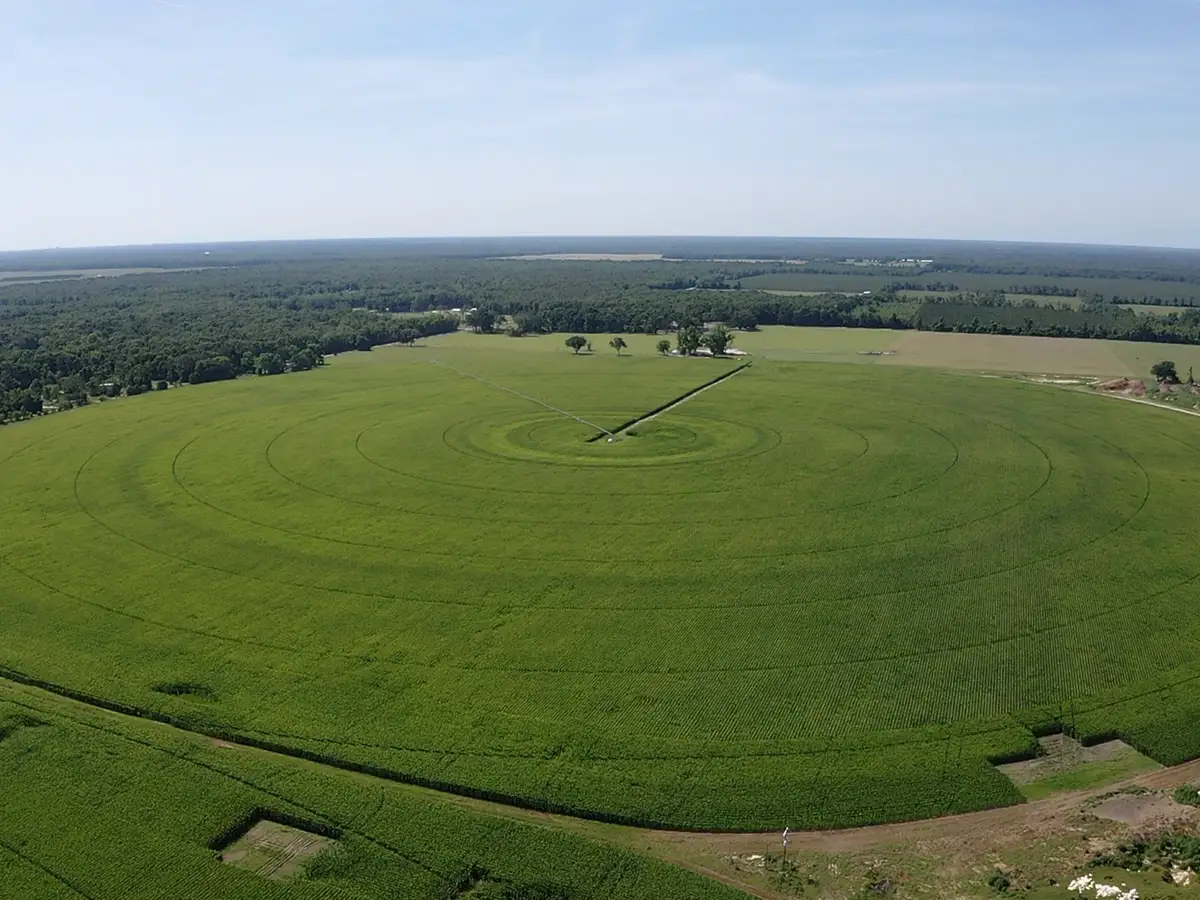
Two farms can share identical soil maps and still sell for thousands of dollars per acre apart. This isn’t theoretical, it happens routinely. Soil productivity matters, but it is not the final verdict on value. It is only one input in a much larger valuation equation.
Farmland value is driven by what the land can legally be used for, how it can be accessed, what rights transfer to the buyer, and whether the surrounding market actually demands it (Learn more about our farmland appraisal services). Productive soils keep land viable, but they do not guarantee strong market value. Buyers don’t pay premiums for soil alone — they pay for flexibility, usability, and opportunity.
Zoning Sets the Ceiling on Farmland Value
Zoning is one of the most powerful, and misunderstood, drivers of farmland value. It establishes a property’s highest and best use, which underpins market value in appraisal theory. Soil determines how well land can be farmed; zoning determines what the land is legally allowed to become.
Agricultural or agricultural-residential zoning offers flexibility. It allows farm expansion, additional dwellings, and in some cases residential or mixed-use potential. That flexibility attracts more buyers, and more buyers support higher prices. Restrictive agricultural conservation zoning does the opposite. It limits future use to farming only, eliminating speculative and lifestyle buyers and narrowing the market.
Overlay districts and local ordinances further affect value. Setbacks, limits on additional dwellings, livestock density caps, and structural restrictions reduce functional utility. When two farms have identical soils but different zoning constraints, the market discounts the restricted parcel. Zoning controls possibility; soils control productivity. Confusing the two leads to unrealistic pricing expectations.
Property Rights and Easements Shape Farmland Per-Acre Value
Farmland value is also shaped by the bundle of rights conveyed with ownership. Fee simple ownership, where all rights transfer, is the benchmark. Anything less reduces flexibility, and reduced flexibility lowers value.
Conservation easements, deed restrictions, and sold development rights permanently remove future options. Selling development rights may generate cash today, but it also permanently caps future value. From an appraisal perspective, that transaction is a partial sale of the property.
Mineral, water, and timber rights are often overlooked but can materially affect value. If a resource right contributes value in the market area and is severed from the property, the farm is worth less. The more rights removed from the bundle, the less options the owner has. Fewer opportunities mean lower prices.
Access Determines Usability and Price
Access directly affects usability, safety, and buyer appeal. Legal and physical road access supports agricultural operations and allows the land to compete for alternative uses when zoning permits.
Limited access tells a different story. Landlocked parcels or those dependent on narrow, steep, or poorly maintained rights-of-way introduce operational risk. Equipment movement becomes harder. Seasonal access becomes uncertain. Future development may be impossible regardless of zoning.
On-grade access matters. Planting, harvesting, and manure application all depend on safe, efficient field entry. When access is compromised, value drops—not because the soil changed, but because the land is harder to use. Buyers recognize this immediately and price accordingly.
Location and Market Demand Drive Long-Term Farmland Value
Location is the multiplier that turns good land into valuable land or keeps it average. Farms in active agricultural regions benefit from competition. Dairy regions, cash-grain corridors, and specialty-crop areas generate consistent demand because operators need land to remain viable.
Proximity to processors, supply cooperatives, labor pools, and transportation infrastructure lowers operating costs. Lower costs improve profitability, and profitability supports higher land values. Distance from markets, weak regional demand, and declining infrastructure suppress value regardless of soil quality.
A well-managed farm in a weak market is still a weak investment. Buyers don’t pay premiums for effort; they pay for economics.
Same Soils, Different Outcomes
Consider two 120-acre farms with identical soils, similar field layouts, and comparable improvements. At first glance, they appear equal.
Farm A is zoned agricultural-residential, carries full fee simple rights, has 1,000 feet of on-grade road frontage, and is located in a competitive upstate New York dairy region. Farm B has sold development rights, relies on a narrow and steep access easement, and is located in a low-demand cropland area.
Farm A sells quickly at a premium. Farm B lingers. Buyers don’t like compromise, and they don’t pay full price for it. Same soils. Very different outcomes.
What Actually Determines Farmland Value
Soil quality is the starting point of farmland value, not the conclusion. Zoning defines possibility. Property rights define flexibility. Access defines usability. Location defines demand.
Educated buyers understand this. Appraisers measure it. Sellers who ignore it often learn the lesson through price reductions or extended marketing time. Farmland value isn’t mysterious, it’s just frequently misunderstood.
Agrinomic Insights (AGi) helps landowners understand what truly drives farmland value through objective, market-based appraisal analysis.